

We took a flight to Tokyo, Japan, on Singapore Airlines. It was an 11.40pm flight, bound to Narita Airport. There were many other SIA flight bound to other countries during that time as well.
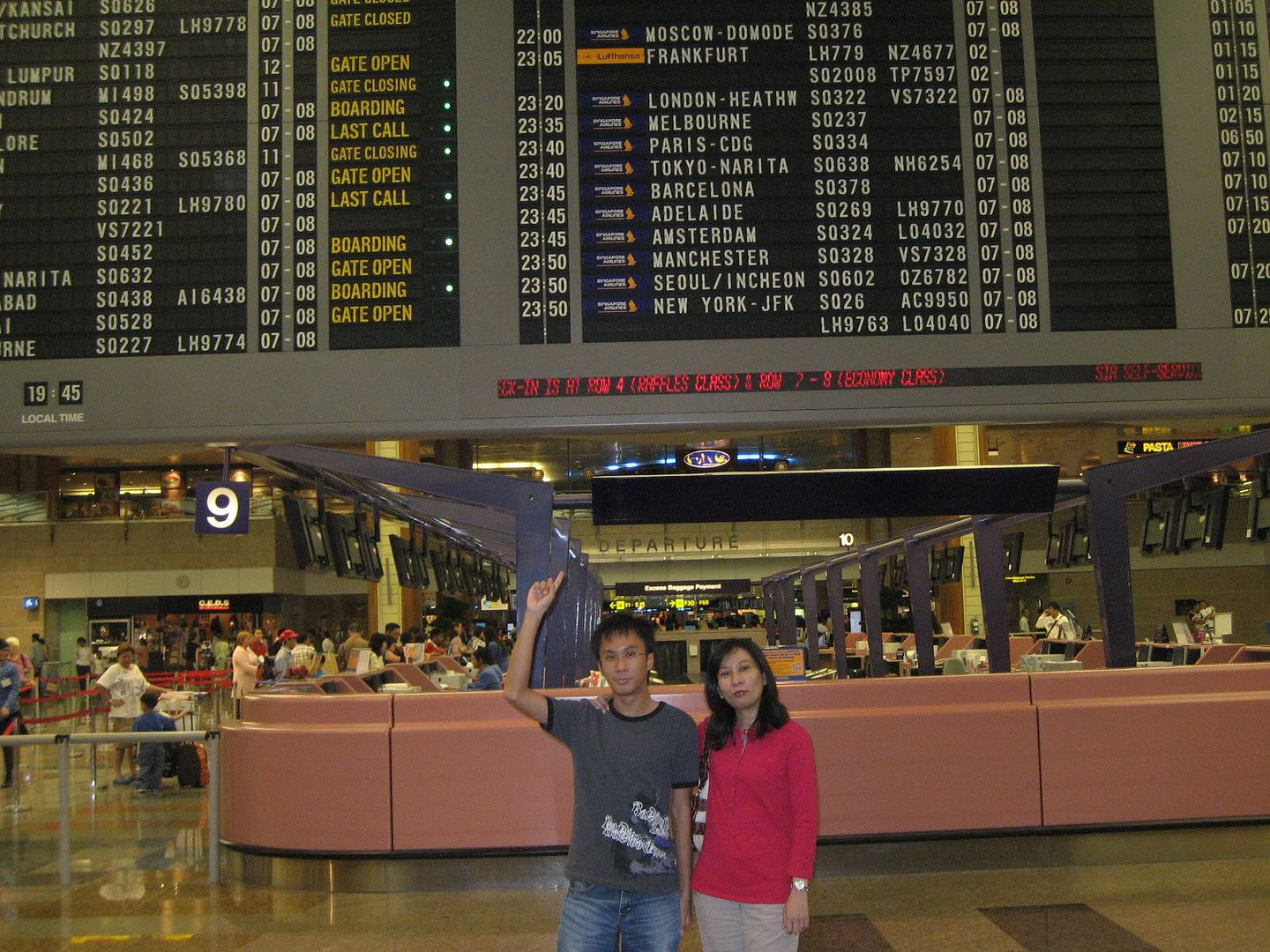
Once at the waiting area of our gate, we had to fill up the immigration card, and a few other sheets of paper, mainly the quanrantine questionaire.

They just wanted to know where youve been or if you have contracted any certain diseases in the past certain period. Obviously the Japanese are very health conscious and they would never take this for granted. It was easy enough fill, as the english translation was on one side of the paper.
The plane flew off on time and it was a 7 hour, uneventful journey. There were some interesting inflight entertainment to play around with, but i didnt use it much, because i needed the 7 hours to sleep a little. Itll be morning when we reach there. I didnt feel and jetlag at all, since its just a 1 hour time difference in Japan, but personally, ive never really enjoyed long distance flights, and 7 hours is at my tolerance limit.
So we arrived at the airport. My first impression: Comparable to Changi Airport standards. The place is clean, lots of travellators to get to the immigration checkpoint, and right when i stepped onto the airport, the people there were really really nice to us. That was the first moment i felt the impact of the respect for the Japanese.
We were supposed to meet our guide, Elizabeth, who was a Singaporean, but now is living in Japan for the past 30 years with a Japan PR status. I must say i was really impressed to meet her. Shes really friendly and throughout the trip, taught us alot about the Japanese culture. She spoke in English, to my relief, as our tour was supposed to be a mandarin speaking tour. We waited for the rest of the tour members to arrive.
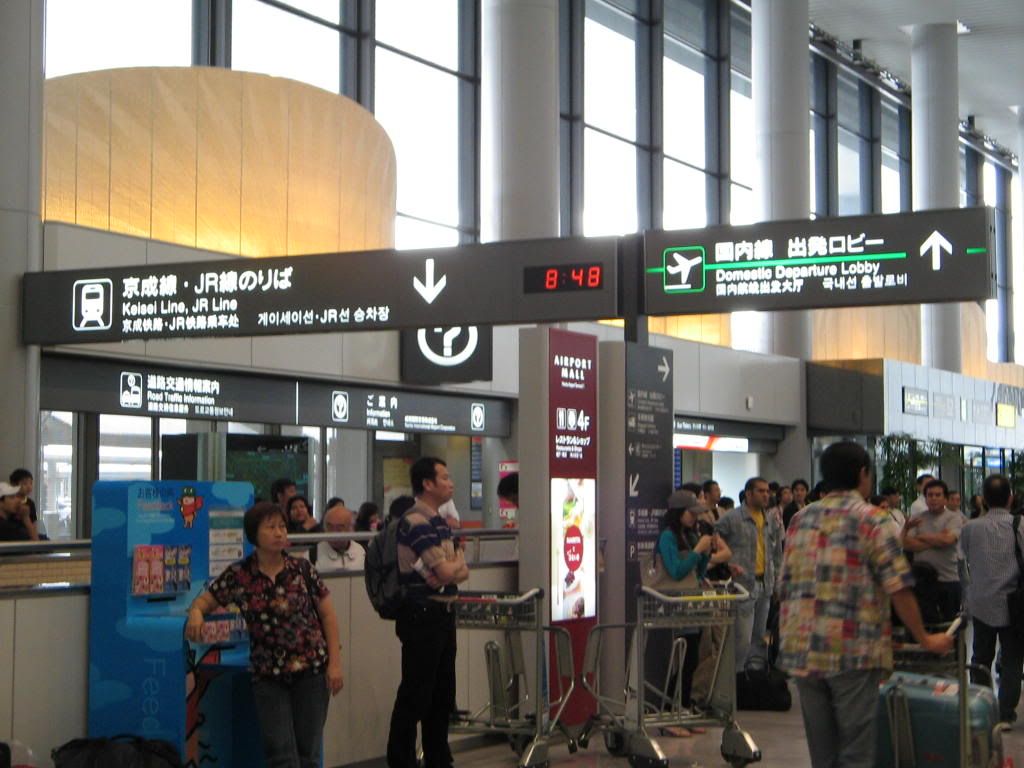
From the picture, we waited in the arrival hall, which was smaller than what we had. The time was 8.48am. I was kinda tired by then, because i didnt had enough sleep during the flight, and i had a bad running nose, because of the suffocating blanket issued by SIA. Another good impression, (and throughout the trip) was thier toilets. Clean, modern and hi tech! Do you know that their toilet bowls are equipped with this hi tech device that lets you spray warm water on your buttocks after doing your business, super convenient with just a touch of a button. “Bidet” they called it. More on that later.
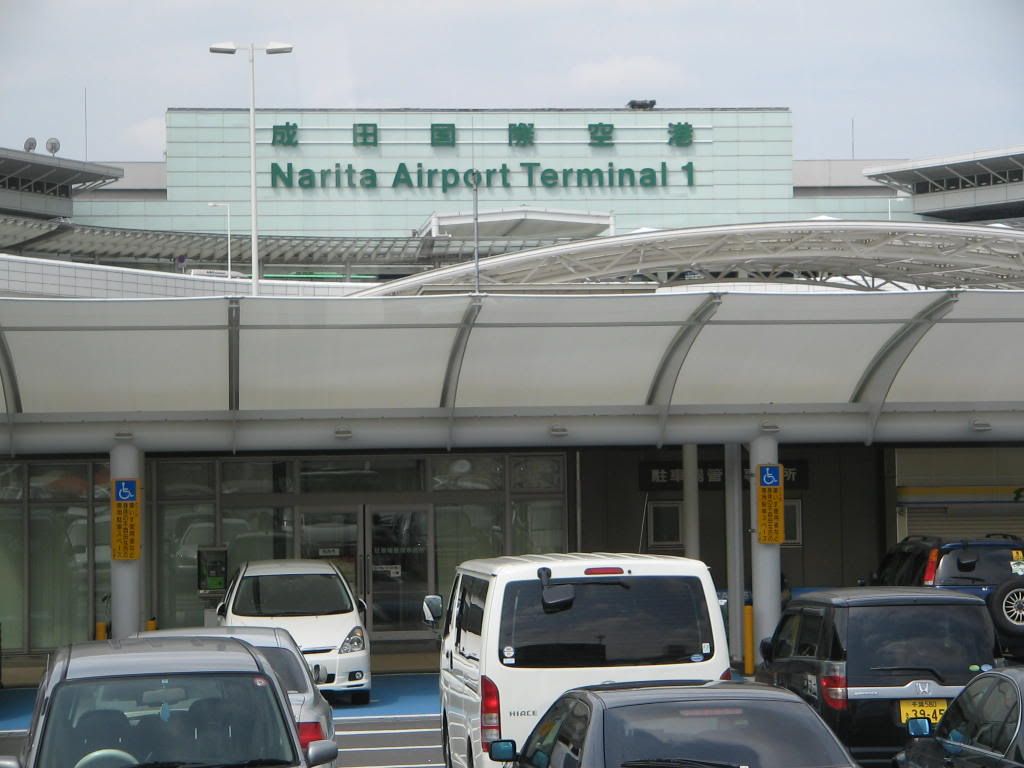
Before boarding our comfy bus, driven by Mr. Fukai, i took a snapshot of Terminal 1. Once i got out of the open, i was greeted by the cool air breeze. It was that refreshing. The remnants of spring air was still there. Soon after everyone settled down, Elizabeth introduced herself more thoroughly and right then I had a good impression of her, that we were given a really good and friendly tour guide.
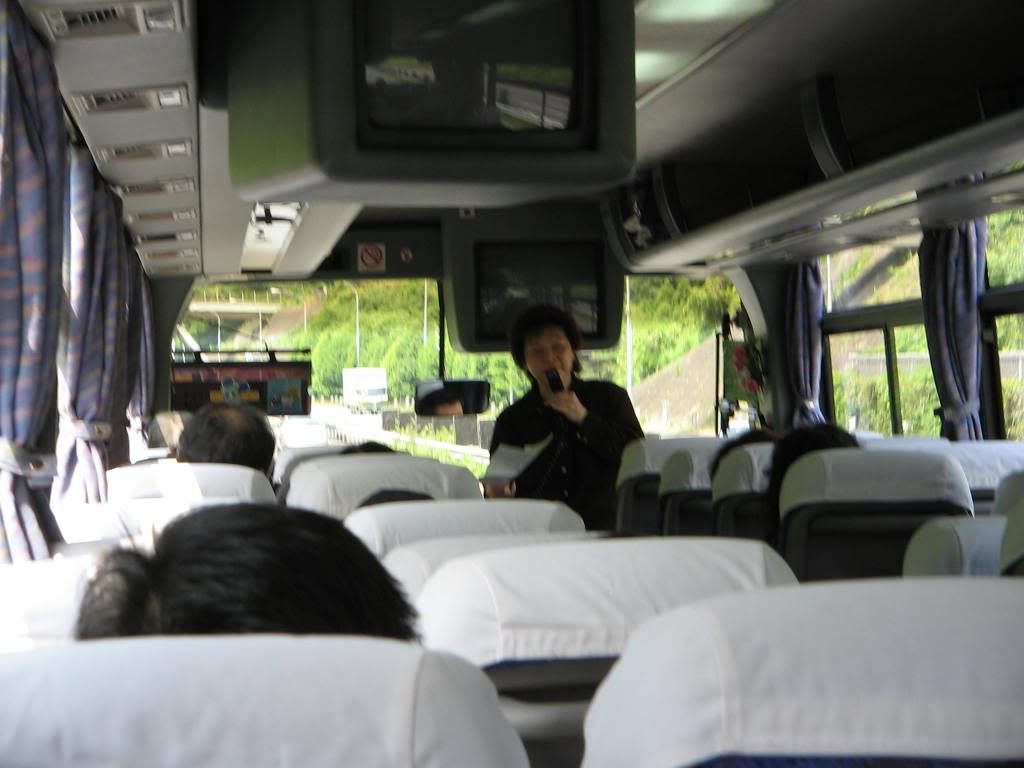
Its close to 2 hours to Tokyo from Narita Airport, and the airport itself was situated in the rural farming areas, filled with paddy fields and farmed areas. It was a peaceful sight. For that moment onwards, i truly felt that i was really in Japan, the first time ever, my dreamed come true.
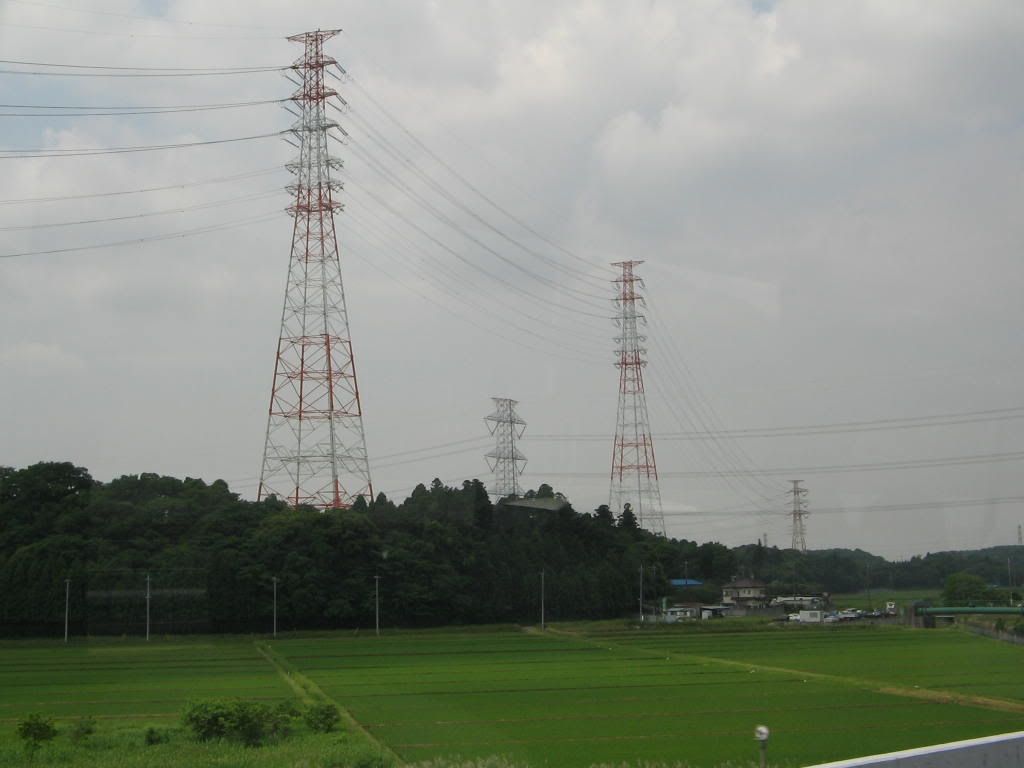
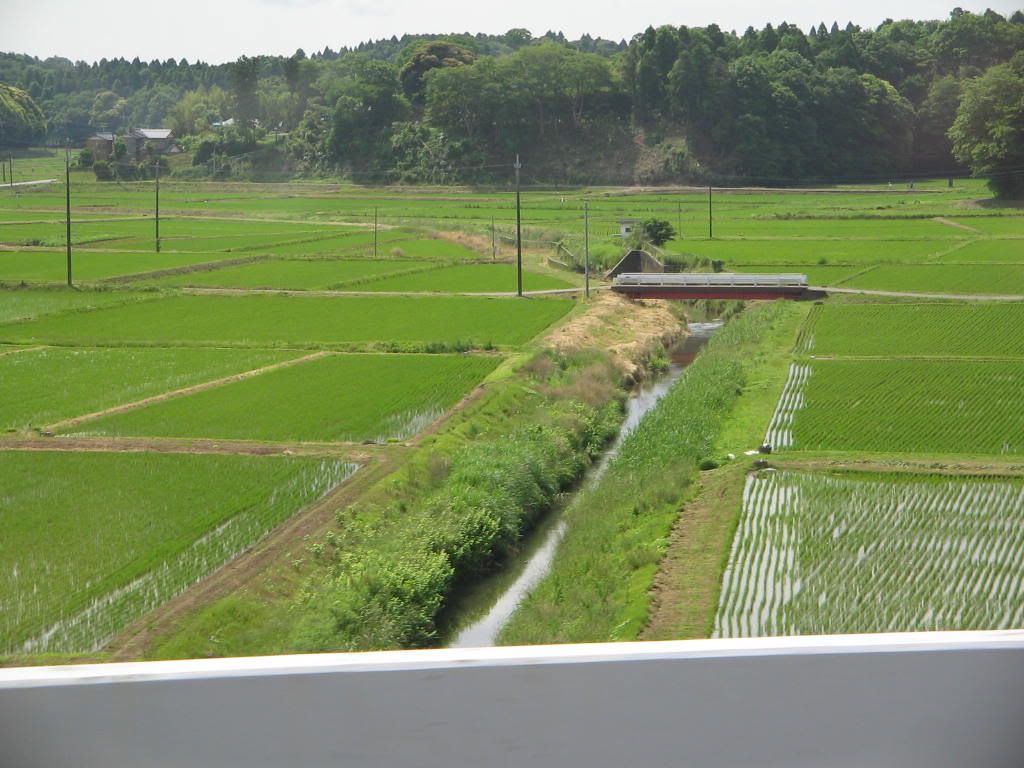
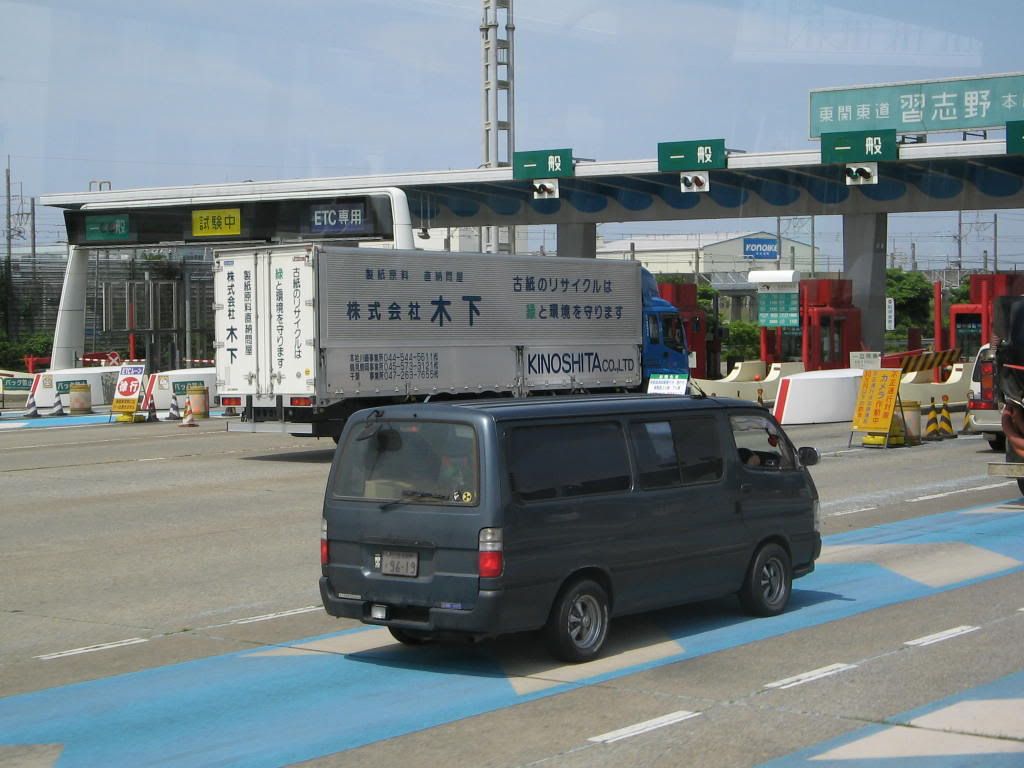
Quite fortunately, the road signs that i see was mostly in English, so i had a good idea on where we were heading. The first thing that i noticed was that we were on a highway, and that they too, practice toll booths, or our version of ERP. Theirs is a combination of the malaysia road tolls, with our sensor and device type of ERP payment system. If im not wrong, many times, the bus just sped past the road tolls without stopping, and on the right of the bus, you can see the amount paid. It was approximately 1,800 yen. Thats about 22 bucks for every toll passed.
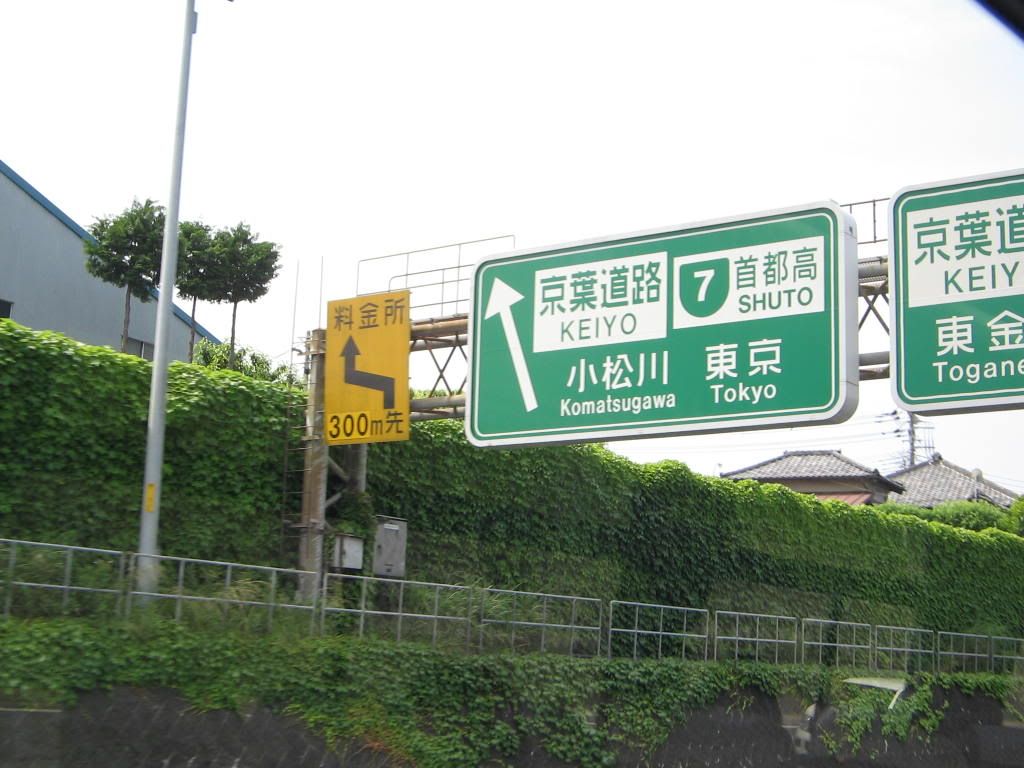
Our first destination was not Tokyo, but Hakone, a town, situated on a valley, with surrounding mountains on almost all sides. It was a 3 hour journey, as Hakone, is located on the other side of Tokyo. Think of it as this way: Narita>>>>Tokyo>>>>Hakone. So obviously we had to pass through the city of Tokyo, and get out of the other side towards Hakone.
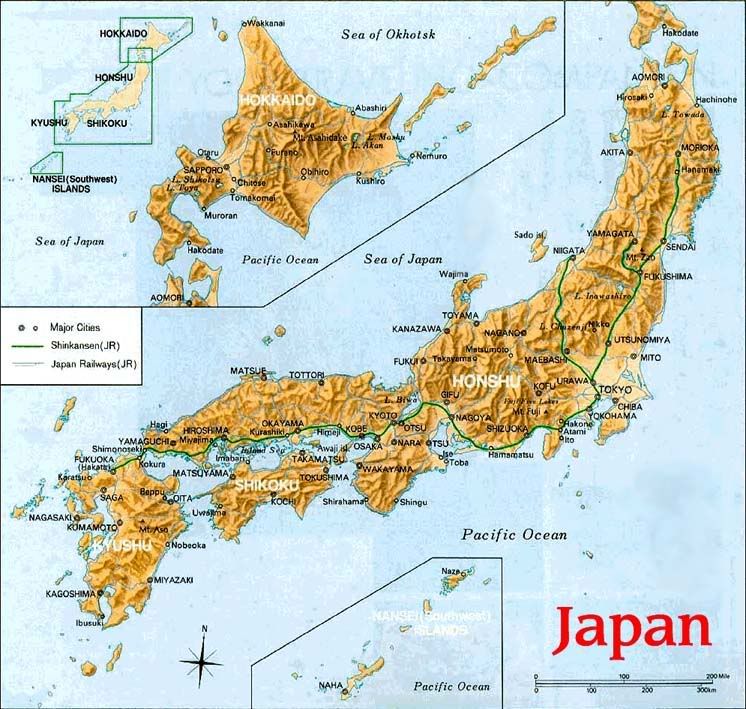
On the way to Hakone, we passed by the huge industrial areas of Chiba, and its smaller cities. The industrial areas are super mega huge. Everywhere you see, its full of factories, warehouses, as far as the eyes could see. Its bigger than anything ive ever seen, full of industrial works.
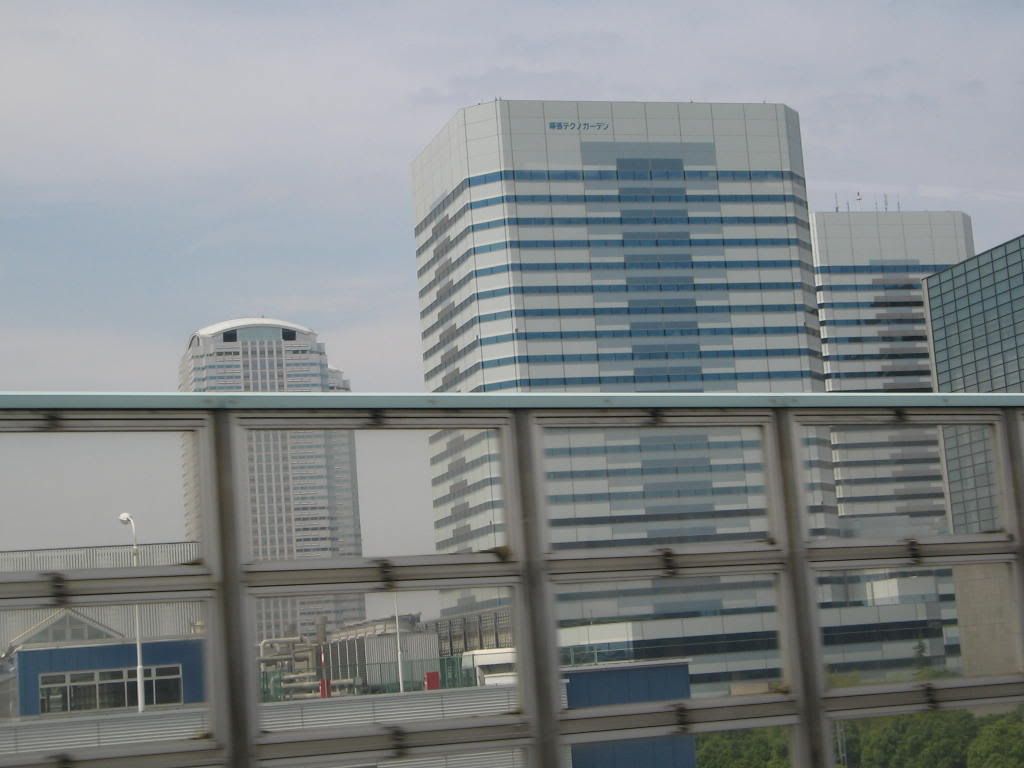
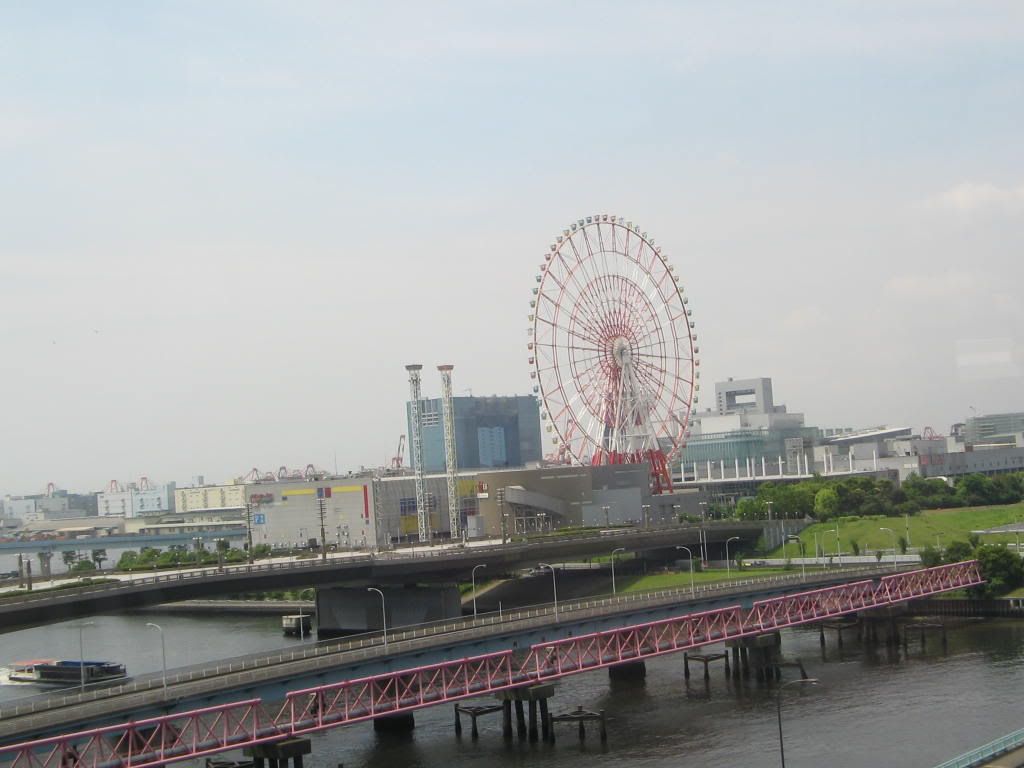
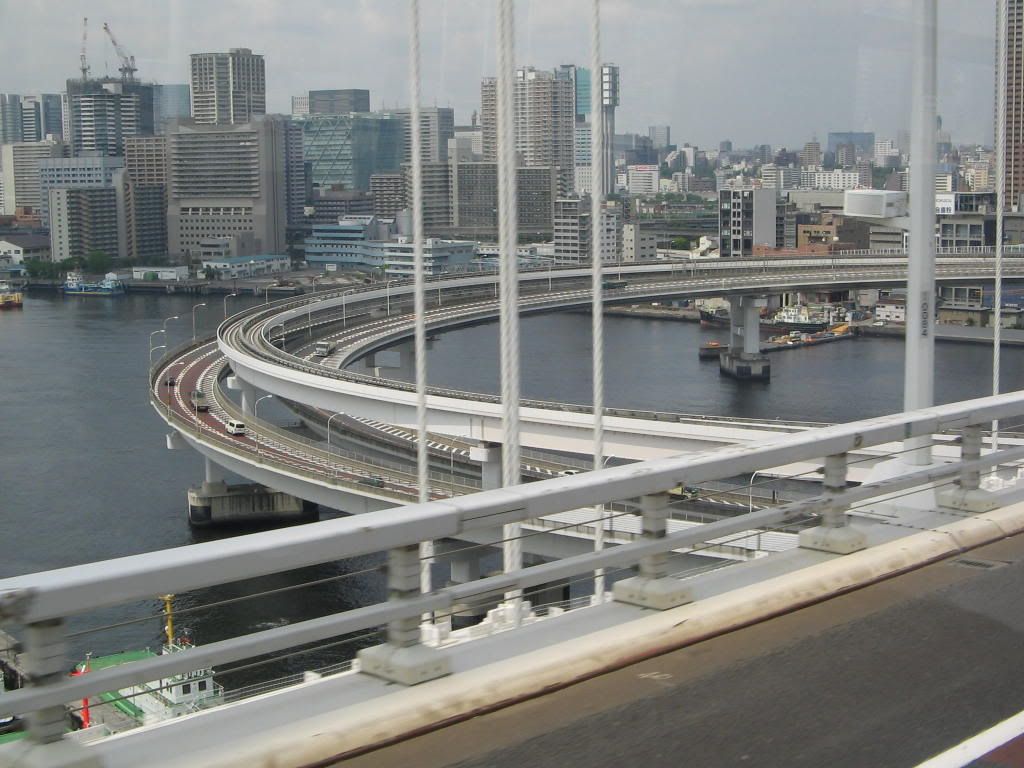
The picture above are one of the many city centers. It is not Tokyo yet. Upon the sights of Rainbow Bridge, i knew that we have arrived in Tokyo City.
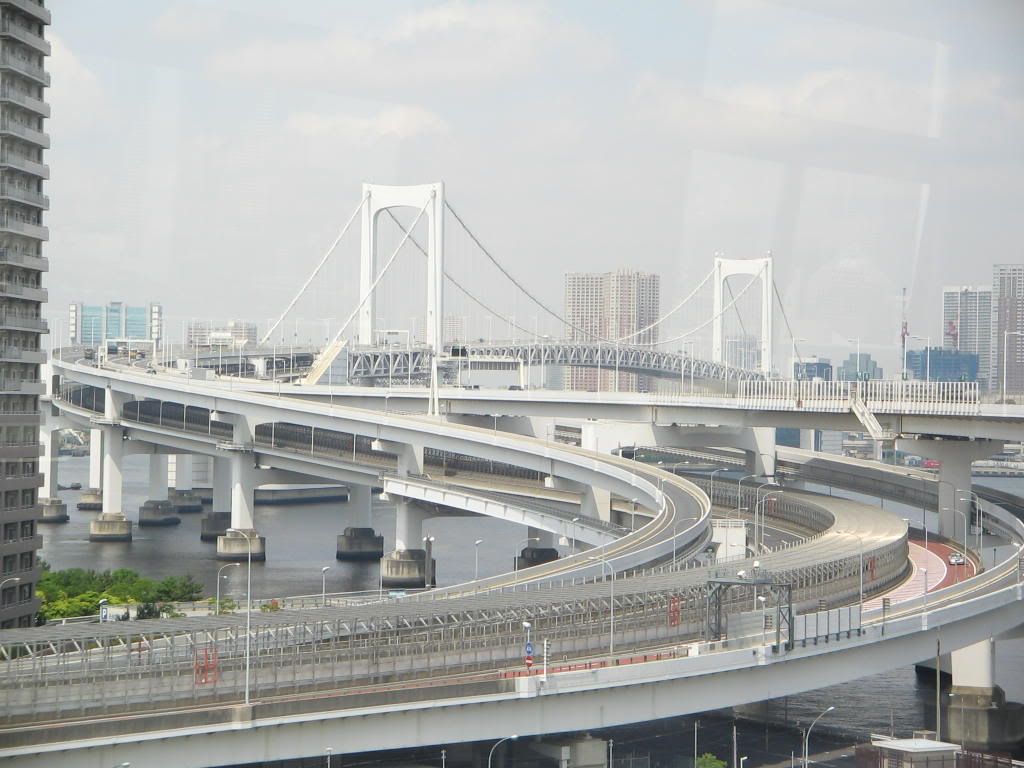
One of the striking features of Japan’s roads, especially highways, is that they are huge, physically and numerically. Often times youll see highways crisscrossing each other, on many levels, looping under and over each other, that you can often times loose track to where they are actually heading. Not only that, they even have rail lines, running in parallel with the roads, making a spaghetti feel to it.
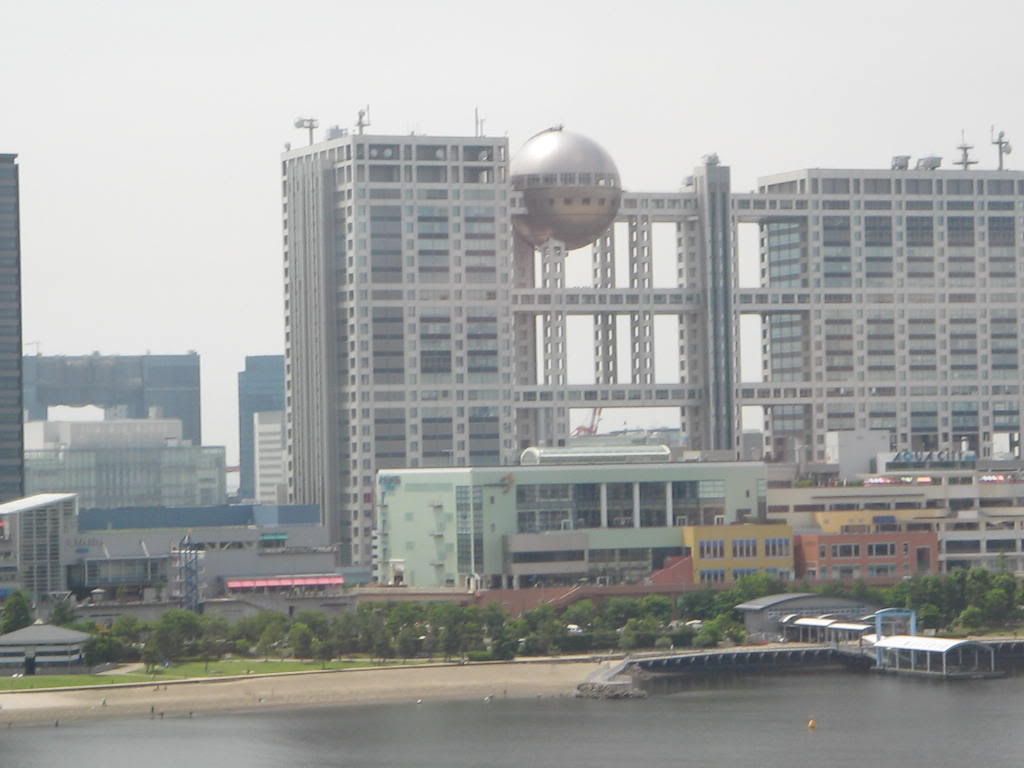
Nearby, the iconic Fuji TV building can be seen nearby, situated along the coast of Tokyo Bay.
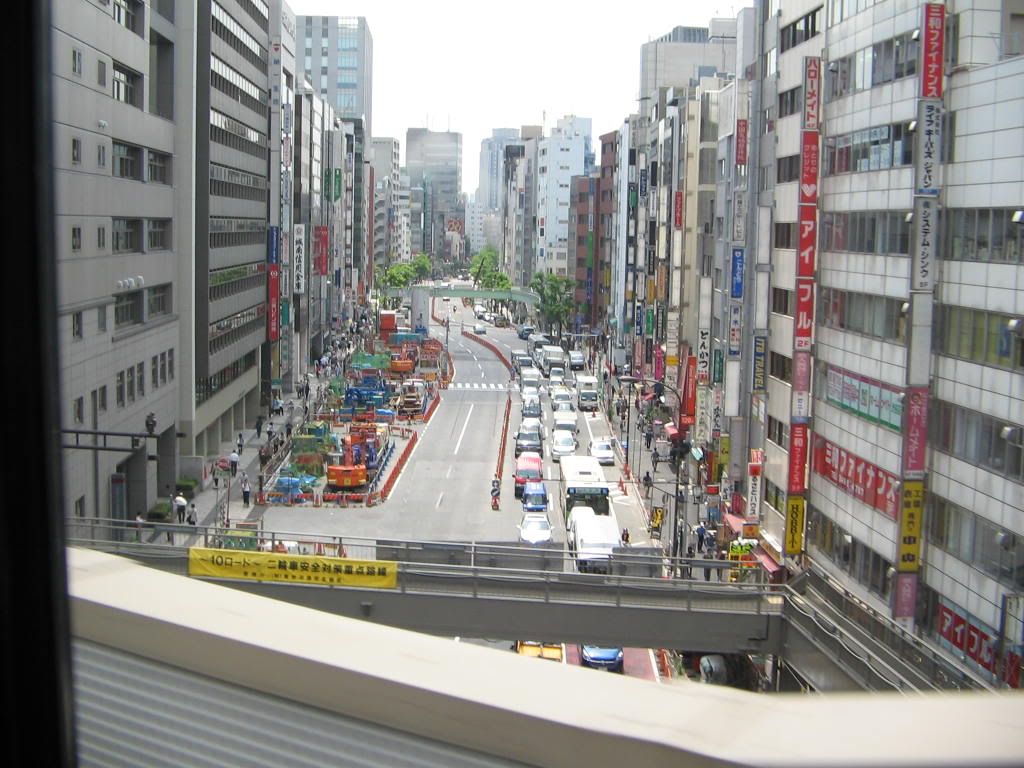
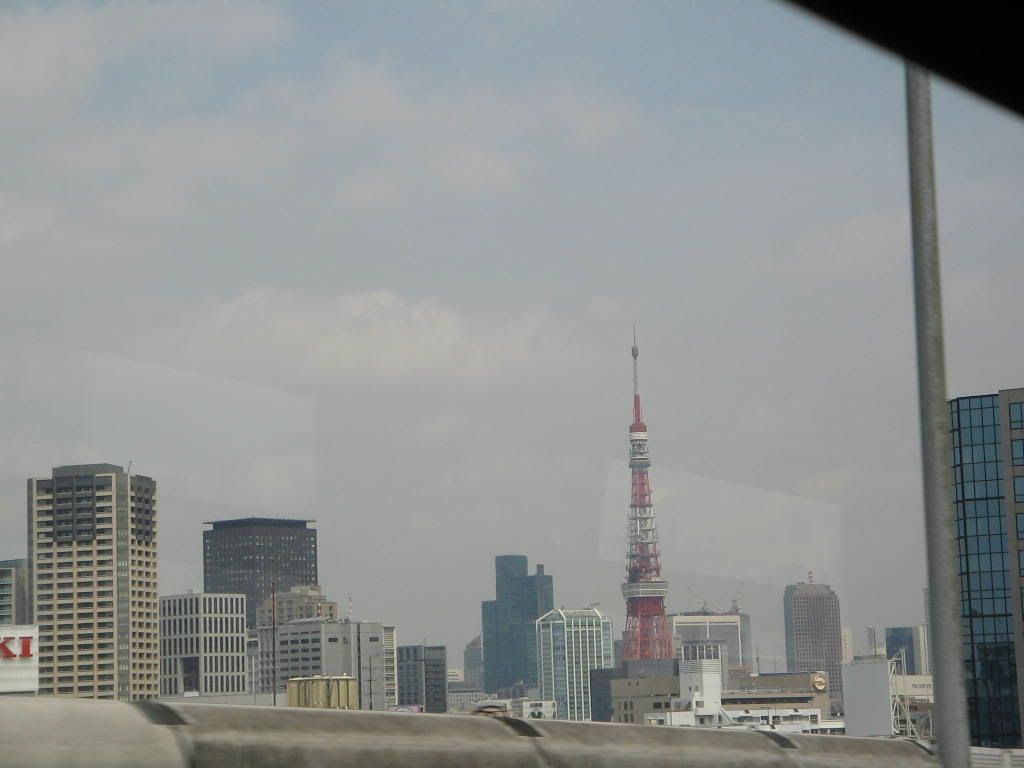
As we headed deeper to the heart of Tokyo (if there is one) my first glimpse of Tokyo Tower could be seen, along with many of the typical ground level streets of some unknown areas. I was so excited, coming to Tokyo seeing the sights and sounds, only seen on TV. I may sound like a child yearning for a toy, but this is what i felt while i was there. Incredibly, while tired, i wasnt sleepy, because i was eagerly waiting for the city to come into view.
Next up: Arrival at Hakone, true authentic Japanese meal, and Gotemba’s Wasabi farm. in the meantime, feel free to look at pictures in greater detail, by clicking on them.

 thecosmopolitanwanderer.blog
Leave a comment